
AI and Teaching your Student to Pay His Dues
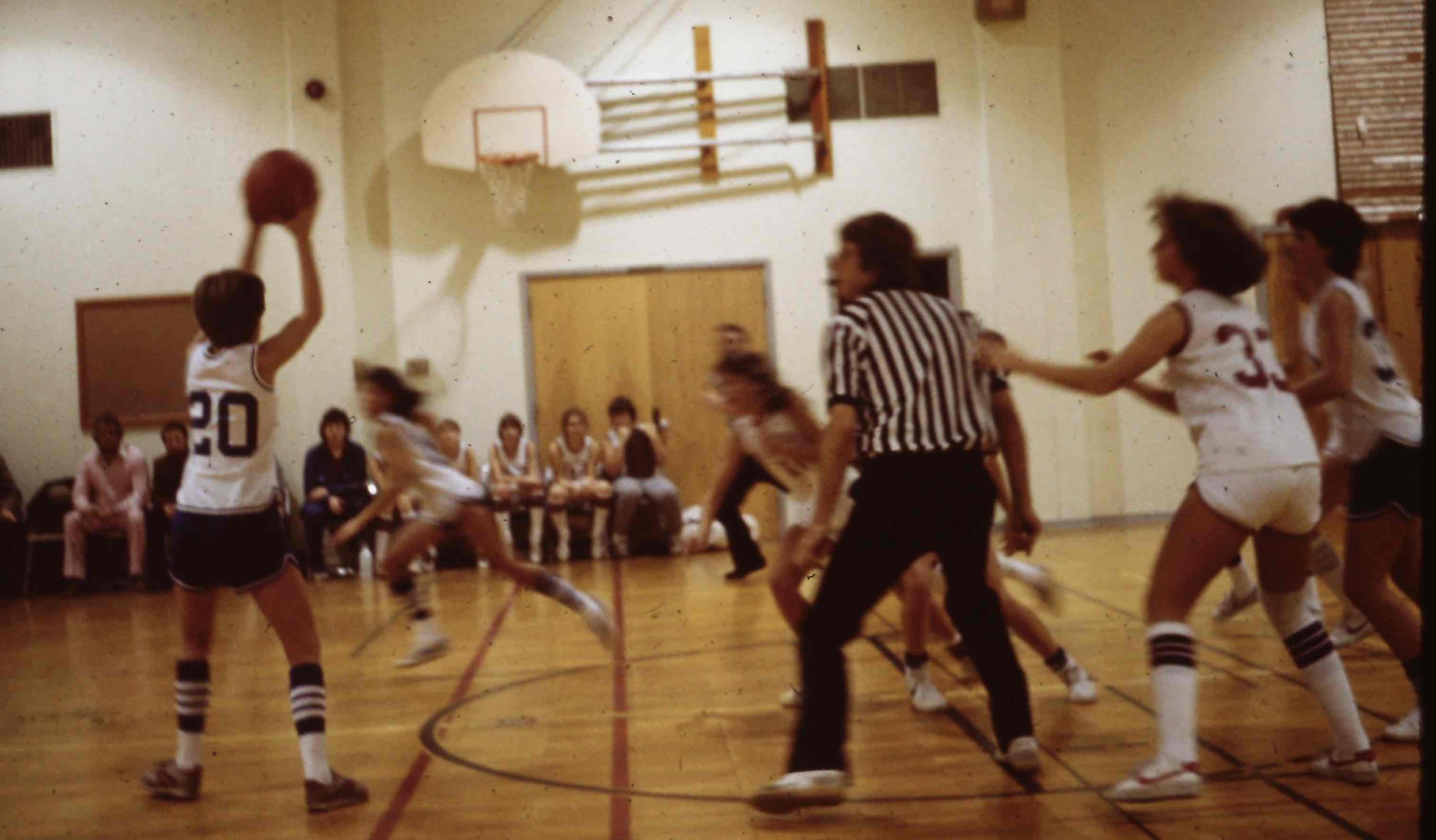
Why do old movies like Rocky, Rudy, or Hoosiers still resonate with so many audiences? I have an idea why. First, a couple of negative examples that point out what I’m not talking about.
Long, long ago, when public school teachers still had a reasonable degree of authority in the classroom, I had an experience that’s stuck with me. I was a senior taking a civics class that all of us needed to pass to graduate. My friend had not completed, maybe not even started, this lengthy paper that was due at the end of the term. He asked if he could borrow my research and take my paper home to look at what I had written. I said, “Sure, what’s a friend for.”
A few days later he returned my paper to me. His paper was now miraculously finished. We turned our papers into the teacher along with the rest of the class. The following week the teacher returned them back to us, all graded.
You probably know where this story is going. My friend received an “A”. I received an “F”. It was clear in the teacher’s mind that I had copied my friend’s paper. An opportunity to appeal my grade to him was not offered. The teacher wasn’t in a listening mood. My friend didn’t volunteer to tell the teacher what had really taken place. What had happened was just considered to be what we called back then as a “bummer”. Not to worry, though. I could probably retake the class in a few weeks in summer school.
Fast forward to a decade ago. One of the tutors at Basic Skills showed me a five-paragraph essay her student had just turned in. I skimmed it. The thesis was clear. The body paragraphs were solid. The transitional sentences effectively connected one paragraph to another. The conclusion was strong.
I told my tutor I couldn’t see any problems. This was a well-written paper. She agreed. It was good. Actually, it was too good. Her student was a good writer, just not that good. What was written sounded kind of canned. It didn’t read like previous papers the student had turned in. It didn’t sound like her, because it wasn’t her. On a hunch, we found the essay she had turned in with minor differences on the first page of a Google search for five paragraph essays.
Today, with ChatGPT at your student’s fingertips, accessing AI is an always present option. It’s an especially appealing option when you’re pressed for time. It’s not necessarily wrong to have AI co-pilot with you to help improve your written expression. It’s not a problem to have AI fact-check and help with research. The teaching issue I’m thinking about is different.
The issue is the temptation to use AI to bypass the effort that accompanies intellectual growth and understanding. It’s using AI to circumvent struggle, struggle that is necessary to develop character. It’s using AI to undermine the development of a work ethic.
It’s essential to teach your children the importance of paying your dues as the saying goes.
Movies like the ones I mentioned above exemplify this.
AI is being baked into most everything digital. Its inclusion in our daily life is increasing rapidly. If you want your student’s completed work to reflect their voice, their thinking, their effort, and not an AI technology, you’ve got to limit its use.
Thanks for reading!
Curt Bumcrot, MRE
*********************

Want a simple list of learning objectives elementary grade students should know? One that is simple to use? Essential Learning Objectives is a reference tool which is a way to the progress your student is making as compared to a set of generally agreed upon criteria.

A Brain Power Program for ADHD, Dyslexia, Focus Difficulty, Or those wanting IMPROVEMENT in Learning, Memory, Organization, Time Management and Productivity. Does this sound like something you could use? The HELP organization is here to come alongside you and provide you with options.
Contact them at 503-635-3389 | www.helpadd.org


